Why Morning Routines Fail: The Hidden Steps That Trip Up Busy Adults
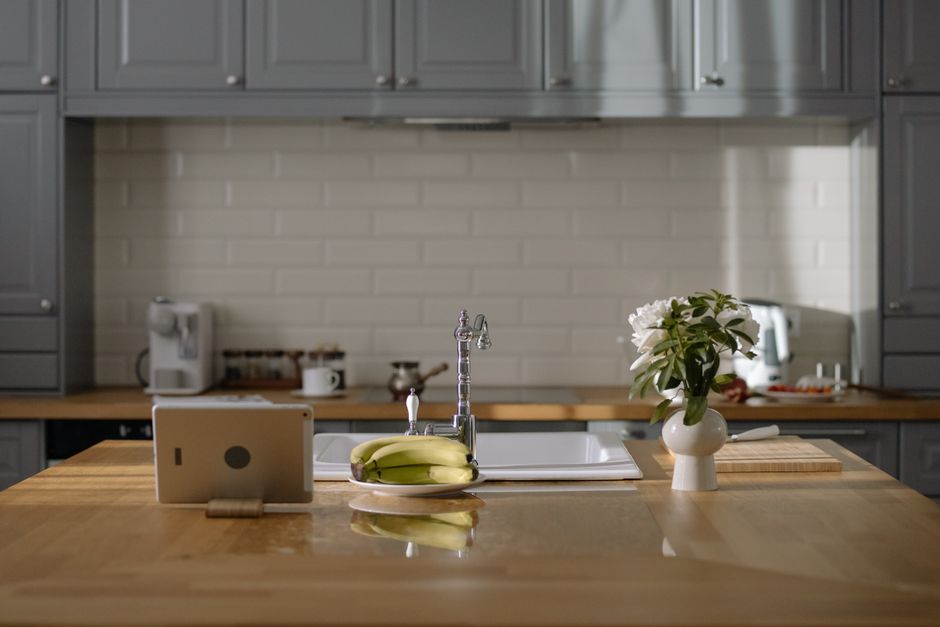
It’s 6:30 AM, and the coffee maker gurgles softly on the kitchen counter, filling the air with the rich scent of brewing coffee. As a remote worker, the goal is to reset after a late finish the night before. The planner sits closed on the bedside table, a silent reminder of the day’s tasks ahead. Picking out work clothes becomes a hurried decision, and they remain on longer than intended, adding to the morning chaos. The keys are still on the entry table, and the phone buzzes with notifications, pulling attention away from the simple act of packing the bag for the day.
In this moment, a small but significant mistake often occurs: the bag isn’t packed until the last minute. Without a visible reminder, like the bag placed where it can be seen, it’s easy to overlook this crucial step. The coffee mug sits empty, waiting to be filled, while the phone distracts with messages that can wait. This missed check can lead to a frantic scramble at the door, turning what should be a smooth morning routine into a frustrating race against time. Each small habit builds on the last, and forgetting to prepare the bag can derail even the best intentions for a productive day.
The Morning Rush: A Common Scene
The alarm blares at 7:30 AM, a jarring sound that slices through the fog of a late night spent working. The remote worker jolts upright in bed, glancing at the clock on the bedside table, a small digital display flashing the urgency of the hour. With barely a moment to gather thoughts, they stumble into the kitchen, eyes still heavy with sleep. The coffee maker gurgles to life, filling the air with the rich aroma of brewing coffee, a small comfort in the chaos. On the kitchen counter, a well-worn messenger bag sits, but it’s easy to forget about it in the rush.
As the coffee brews, the worker opens the fridge, grabbing a water glass and filling it to the brim. The planner remains closed on the counter, untouched and unconsulted, which means the day’s tasks are still swirling in the back of their mind. The habit of packing the bag often slips away in these moments, leading to a frantic last-minute scramble. They grab the essentials—laptop, charger, and notebook—but forget to check for the keys, which are still resting on the entry table. This small oversight can lead to a frustrating delay, turning a once-simple morning routine into a race against time. The bag should be packed the night before or placed in plain sight, serving as a visual reminder to avoid the chaos of a last-minute grab. Without this adjustment, mornings can quickly devolve into a series of missed checks and hurried decisions, setting a tone of disarray for the day ahead.
The Small Mistake That Slips Through
The bedside table is cluttered, with a coffee mug half-full and a closed planner sitting just out of reach. As the remote worker prepares for another day, they grab their work clothes from the chair, but they linger in them longer than intended. This small oversight leads to a chaotic morning, where the planner remains untouched, leaving important tasks swirling in their mind instead of being clearly laid out.
In the rush to get ready, the worker moves through their routine without a clear sequence. They fill a water glass and check their phone for messages, but the planner stays closed, a missed opportunity to prioritize the day. The clothes they wear, while comfortable, serve as a reminder of the unfinished workday, adding to the mental clutter. This friction makes it easy to overlook packing the bag, which should have been done the night before. Instead, they hastily gather their laptop and charger, but forget to check for their keys, which are still resting on the entry table.
To mitigate this chaos, a simple adjustment can be made: placing the planner in a visible spot, perhaps next to the coffee mug, serves as a daily reset cue. By integrating this small habit into their routine, the worker can ensure they review their tasks before leaving, preventing the frustration of forgotten items. With the planner opened and the keys checked, mornings can transform from a scramble into a more structured start, paving the way for a smoother day ahead.
What Happens Next: A Ripple Effect
If this pattern keeps repeating, Everyday Life In The extends the idea without leaving the niche.
When the alarm buzzes at 6:30 AM, the remote worker stumbles out of bed, still feeling the weight of yesterday's late finish. Their work clothes, still on from the previous day, create an unsettling reminder of unfinished tasks. Instead of packing their bag the night before, they rush through their morning routine, glancing at the closed planner on the bedside table. This oversight sets off a chain reaction that quickly spirals into chaos.
As they pour coffee into their favorite mug, the worker checks their phone for messages but misses a crucial meeting reminder buried in the notifications. The realization hits just as they grab their laptop and charger, but their water bottle remains untouched on the kitchen counter. The absence of this essential item adds to the growing stress, making them feel even more frazzled. With a glance at the clock, they know they’re running late.
In a frantic attempt to salvage the situation, they dash back to the kitchen, but the disorganization mounts. The keys, which should have been placed on the entry table the night before, are nowhere to be found. This frantic search for misplaced items only heightens their anxiety, creating a ripple effect that transforms the morning into a disarrayed scramble. A simple adjustment, like placing the water bottle next to the coffee mug the night before, could have prevented this stress, allowing for a smoother transition from home to work.
A Simple Repair to Regain Control
This same friction shows up again in Daily Routines Real Life, especially when the day tightens unexpectedly.
One small adjustment can make a significant difference in your morning routine. When the alarm rings, the temptation to rush through the morning can lead to overlooked essentials, like the planner that remains closed on the bedside table. This often results in forgetting important tasks or meetings, creating unnecessary stress before the day even begins.
- Place your planner next to the coffee maker as a visual cue to check it before packing your bag. This way, you’ll see it while waiting for your coffee to brew, reminding you to review your schedule.
- Set a reminder on your phone to check your outfit before diving into the morning routine. This can prevent the frustration of realizing you’re not dressed appropriately just as you’re about to leave.
- Keep your keys in a designated spot on the entry table, ensuring they’re visible and easy to grab as you head out the door.
By implementing these small changes, you can streamline your morning and reduce the chaos that often accompanies busy days. The planner, now a part of your coffee routine, serves as a checkpoint, helping you stay organized and focused. With just a few tweaks, mornings can shift from frantic to manageable.
Creating a Consistent Pattern for Success
Keys left on the kitchen counter can easily lead to a rushed exit, especially when the morning feels chaotic. Establishing a dedicated spot for your keys and other essentials—like your wallet and phone—can significantly streamline your departure. Consider placing a small bowl or hook near the door where these items can always be found, reducing the frantic search that often derails your morning.
In addition to a designated spot for your keys, creating a checklist can enhance your morning routine. Before you head to bed, jot down a quick list that includes checking your planner and packing your bag. This checklist, placed on your bedside table, serves as a tangible reminder of what needs to be done. When you wake up, you can quickly glance at it while sipping your morning coffee, ensuring you don’t overlook critical tasks.
By incorporating these small habits into your evening routine, you set yourself up for success the next day. The act of checking your planner and packing your bag becomes a seamless part of your nightly wind-down, reinforcing a sense of preparedness. This simple adjustment can transform your mornings from a scramble to a smooth flow, allowing you to leave the house feeling organized and ready to tackle the day ahead.
When mornings feel chaotic, it’s often the overlooked details that trip you up. For instance, if your work clothes remain on longer than intended, it can throw off your entire routine. Instead of letting them linger, make it a point to lay them out the night before, right next to your coffee mug on the kitchen counter. This way, when you wake up, you’re greeted by a visual cue that prompts you to change quickly, rather than getting sidetracked.
Consider also placing your planner in a spot where you can’t miss it—perhaps on your entry table. This small habit can serve as a reminder to review your day’s agenda before heading out. By anchoring these actions to specific objects, you create a smoother transition into your day, minimizing the chances of forgetting essential tasks. The next time you pack your bag, take a moment to ensure your clothes are ready to go, setting the stage for a more organized morning.